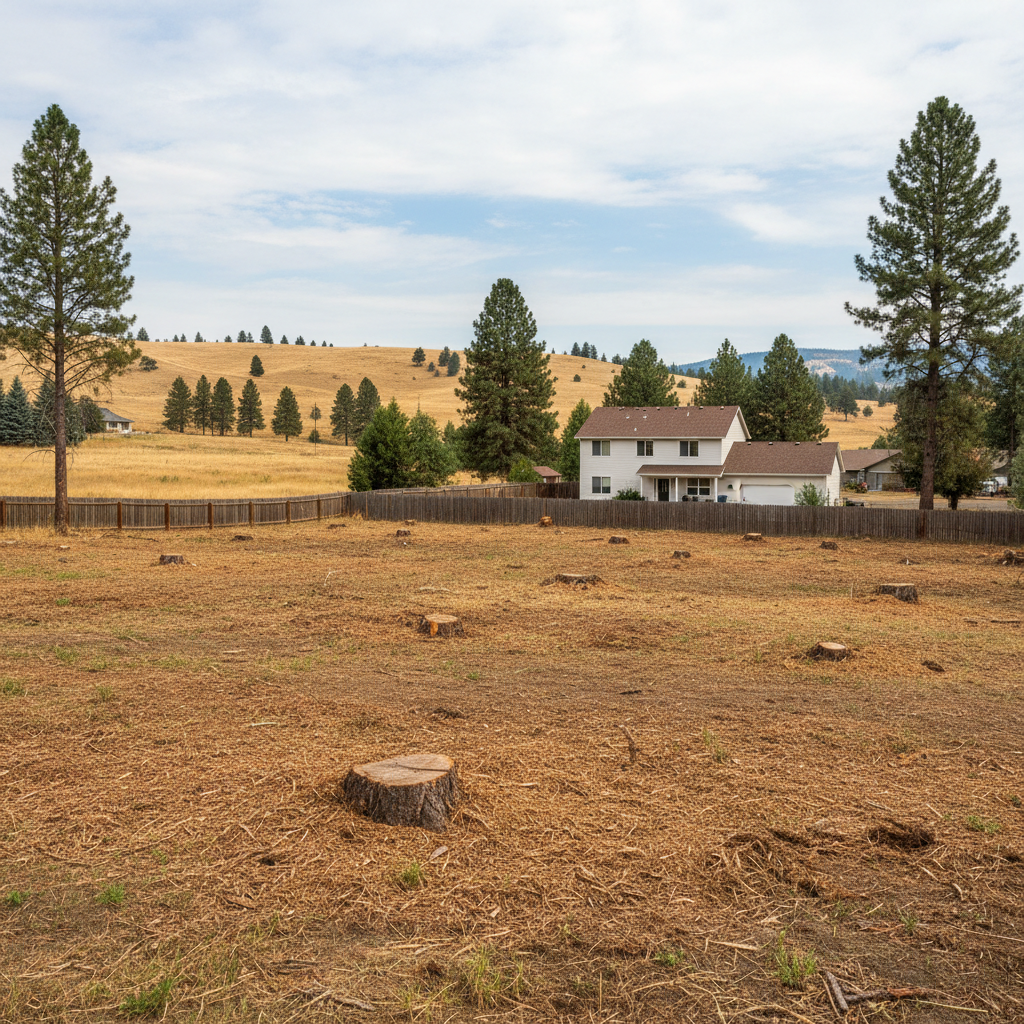
Planning Your Union Gap Lot Clearing Project
So, you've got a piece of land in Union Gap, maybe a new lot you're building on, or an overgrown section of your property you want to reclaim. Lot clearing isn't just about knocking down trees, you know; it's a whole process. Knowing what to expect upfront can save you a lot of headaches and money down the road. I've seen plenty of these projects, and I can tell you, a little planning goes a long way.
What's the Typical Timeline for Lot Clearing?
Look, there's no single answer here because every project is different. A small, half-acre lot with mostly brush and small trees? You might be looking at a few days to a week. Maybe two if there's a lot of stump grinding involved. A larger, heavily wooded parcel, especially if it's got some big, old growth or a lot of difficult terrain like those rocky areas up near the foothills west of town? That could easily stretch into several weeks, even a month or more.
Here's a rough breakdown of what usually impacts the timeline:
- Size of the Lot: Bigger lots mean more time. Simple as that.
- Density of Vegetation: Is it mostly grass and small saplings, or a dense forest of mature trees and thick underbrush? The latter takes significantly longer.
- Type of Vegetation: Some trees are easier to remove than others. Hardwoods, for instance, take more effort than softwoods.
- Access to the Site: If it's hard to get equipment in and out, or if there are power lines or structures to work around, things slow down.
- Disposal: How are the cleared materials handled? Chipping, hauling away, burning (if permits allow)? This adds time.
- Weather: Rain, heavy snow, or high winds can halt work completely. We certainly get our share of wind in the valley, especially in the spring.
Don't expect an overnight miracle. A good contractor will give you a realistic estimate, and you should always build in a little buffer for unexpected delays.
What to Expect During the Process
When you hire a professional like Neighborly Tree, here's generally how things will go down:
First, we'll do an initial assessment. We'll walk the property with you, discuss your goals, identify any trees you want to keep, and look for potential hazards like power lines, septic fields, or underground utilities. This is also when we'll talk about permits. Depending on the project's size and what you're doing, you might need a permit from the city or county. We can usually help you figure out what's required, but ultimately, it's your responsibility to make sure all the paperwork is in order.
Next comes the actual work. This usually starts with clearing smaller brush and undergrowth, often with specialized machinery like mulchers or brush cutters. Then, larger trees are felled. This is where skill and safety really count. We use proper felling techniques to control the direction of the fall, protecting your property and our crew. After that, we'll deal with stumps. You might want them ground down below grade, or just cut flush with the ground. Finally, all the debris gets processed – chipped, loaded into trucks, or piled for burning if you have the necessary permits and conditions are right.
It's going to be noisy, and there will be a lot of activity. Expect heavy equipment, chainsaws, and trucks coming and going. It's a big job, and it certainly looks like one while it's happening.
How to Prepare Your Property
You can do a few things to make the process smoother and potentially save a bit of time and money:
- Clear the Immediate Area: Move anything valuable or fragile out of the work zone. Think patio furniture, garden ornaments, kids' toys.
- Mark What Stays: Clearly mark any trees, shrubs, or structures you absolutely want to keep. Bright flagging tape works great. Don't assume we'll just know what you want to save.
- Inform Neighbors: Give your neighbors a heads-up about the upcoming work. Let them know there will be noise and heavy equipment. It's just good neighborly practice.
- Ensure Access: Make sure there's a clear path for our equipment to get to the work area. If gates need to be opened or obstacles moved, do that beforehand.
- Locate Utilities: While we'll call 811 for underground utilities, it's always good if you know the general location of your septic tank, well, or private utility lines.
Key Questions to Ask Before Signing a Contract
Don't just go with the first quote you get. Ask these questions to any contractor you're considering:
- Are you licensed and insured? This is non-negotiable. Ask for proof. You want to be protected if something goes wrong.
- What's included in the quote? Be specific. Does it cover stump grinding? Debris removal and disposal? Hauling? Site cleanup? Make sure there are no hidden costs.
- How will they protect my property? Will they use ground mats? How will they manage falling trees near structures?
- What's their plan for debris removal? Chipping, hauling, burning? What's the cost associated with each?
- What permits are needed, and who is responsible for obtaining them? Get this clear from the start.
- What's their estimated timeline, and what factors could cause delays? A good contractor will be transparent about this.
- Can they provide references? And actually call them!
- What's their payment schedule? When are deposits due, and when is final payment expected?
By asking these questions and doing your homework, you'll feel a lot more confident when you sign on the dotted line. Lot clearing is a big investment, and you want to make sure you're working with a team that knows what they're doing and respects your property. That's what we aim for every time at Neighborly Tree.